Essential Renting Guide: Tricks, Tips, and Property Listings for Your Dream Home
Managing the rental market can be difficult for many individuals. Understanding the intricacies of budgeting, lease agreements, and effective search strategies is critical. This guide provides essential tips and resources that can make the process easier. With the right knowledge, renters can feel more confident in their decisions. But what specific questions should one consider before signing a lease? The answer may surprise you.
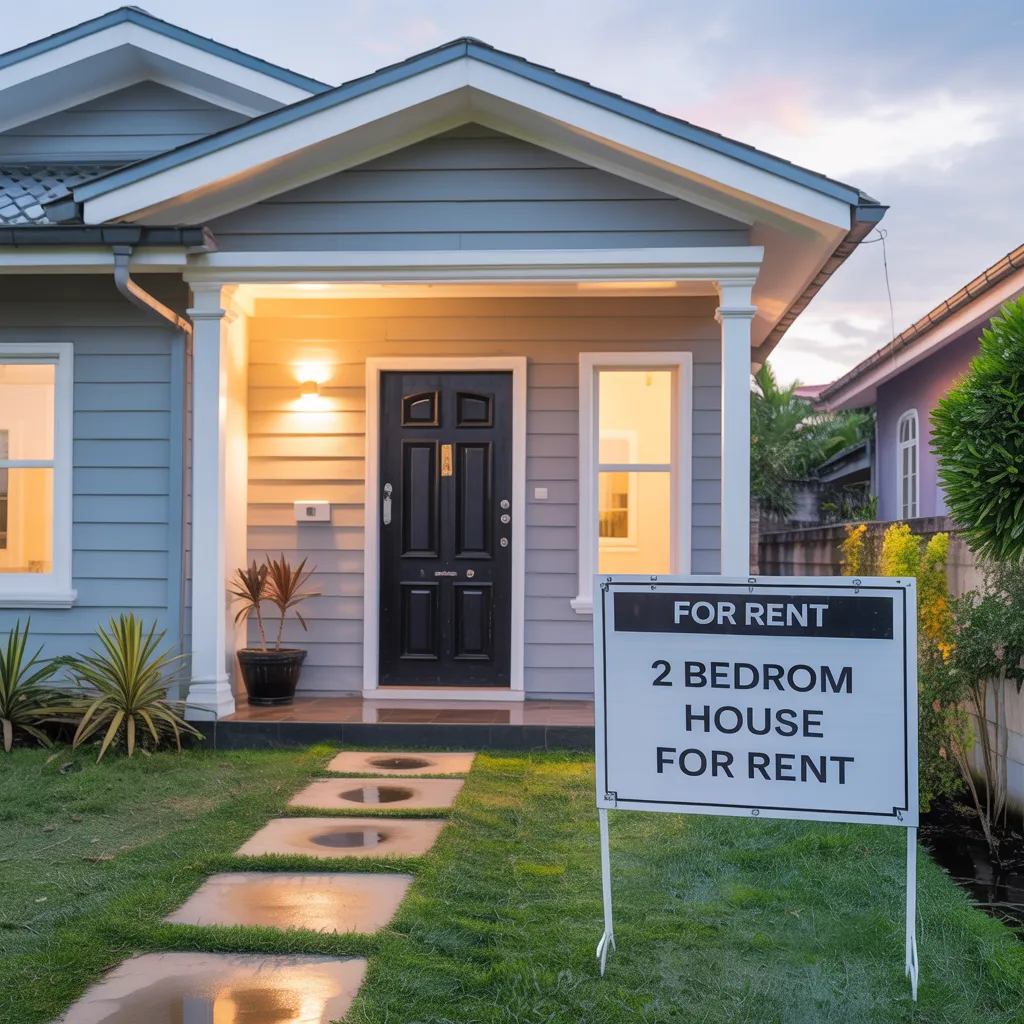
Creating Your Budget: How to Establish Your Rental Price Range
While establishing a rental price range, tenants should commence by reviewing their financial situation to set a realistic budget. This involves examining monthly income, current expenses, and any savings designated for housing. A commonly recommended guideline is to spend no more than 30% of gross income on rent, making sure that other financial commitments can be met without strain.
Following this, people should take into account extra costs connected to renting, such as utility bills, maintenance fees, and renter's insurance. This complete approach facilitates a more accurate determination of what can be comfortably afforded.
Moreover, it is prudent to examine the rental market in the target area, as prices can vary greatly based on location, size, and amenities. By collecting this information, individuals can set a competitive yet attainable rental price range that aligns with their financial means, ultimately leading to a more satisfying renting experience.
Grasping Rental Contracts: Important Factors to Take Into Account
Comprehending lease agreements is essential for renters, as these documents outline the rights and responsibilities of both parties involved. Renters should meticulously assess key components, including the lease term, which specifies the duration of the agreement. Rent amount and payment due dates are vital, as they determine financial obligations. Additionally, renters must pay close attention to security deposit details, including amounts and conditions for its return.
Another important factor is the maintenance responsibilities, which clarify who is responsible for repairs. Renters should also be informed about any restrictions, such as pet policies or alterations to the property. Termination clauses are significant, as they outline the conditions under which either party can conclude the lease. Lastly, understanding the consequences of lease violations can stop future disputes. By carefully reviewing and understanding these key points, renters can assure a more efficient leasing experience and safeguard their interests.
Strategic Search Techniques for Identifying Your Ideal Rental Home
Discovering the right rental property needs a strategic approach, as the appropriate methods can considerably streamline the search process. To start, individuals should define their budget and critical criteria, such as location, size, and amenities. Utilizing online platforms and apps for real estate can streamline the search, allowing users to filter results based on their specifications.
Networking serves as another valuable tactic; relatives, friends, and professional contacts can supply leads on vacant properties. Moreover, reviewing community posting boards and social network groups can uncover lesser-known options.
It is recommended to develop a checklist to evaluate each possible rental, guaranteeing that all critical factors are considered. Scheduling visits during various times can also provide insight into the neighborhood's atmosphere. By using these strategies, future renters can navigate the market more efficiently, ultimately increasing their chances of finding a home that satisfies their needs.
What Should You Ask Before Signing That Lease?
Prior to signing a lease, prospective renters should ask a set of essential questions to confirm they fully understand the conditions and terms of the rental agreement. They should inquire about the term of the lease and any penalties for early termination. Understanding the total monthly cost, including utility expenses and maintenance fees, is critical. Prospective renters should also confirm the policy on security deposits: how much is required, and what conditions exist for its return.
Additionally, it is vital to seek clarification on the property's regulations regarding pets, guests, and renovations. Renters should gather information on who is liable for repairs and maintenance, as well as the process for addressing issues that may arise. Furthermore, establishing the method for lease renewal or rent increases is important. By answering these questions, prospective renters can avoid potential conflicts and achieve a positive rental experience.
Top Resources for Rental Property Navigation
How can renters effectively navigate the complexities of the rental market? Leveraging proper resources is vital for a hassle-free experience. Digital resources like Zillow, Apartments.com, and Craigslist provide extensive listings, letting renters explore here to refine by pricing, location, and conveniences. Local housing social media communities can additionally uncover valuable finds and neighborhood perspectives.
Additionally, local rental companies offer personalized guidance and expertise of the local market. Renters can leverage apps like Rentometer to assess fair pricing in relation to neighborhood trends. Websites that are dedicated to tenant rights, such as Nolo and the National Low Income Housing Coalition, provide essential legal information, enabling renters to make knowledgeable decisions.
Building connections with family members and friends can discover prospects and suggestions, while area bulletin boards and community postings regularly present rental opportunities. By taking advantage of these assets, tenants can explore the market with increased assurance and simplicity.
Commonly Asked Questions
What Are the Normal Security Deposit Guidelines for Rentals?
Common security deposit needs for rentals range from one to two months' rent, depending on local ordinances and property management rules. Some landlords might also demand additional deposits for pets or certain lease requirements.
How Do I Negotiate Rental Rates With Property Owners?
Negotiating rent prices with landlords typically requires researching comparable rentals, presenting a reasonable offer, emphasizing benefits of a lengthy lease, and maintaining open communication. Demonstrating reliability and willingness to compromise can lead to favorable adjustments in rental agreements.
Can You Have Pets in Typical Rental Properties?
Many rental properties have restrictions on pets; policies vary considerably. Landlords frequently impose restrictions or require additional deposits. Potential tenants should inquire about pet policies before applying to prevent unexpected difficulties.
What Should I Do if Maintenance Issues Arise?
When maintenance issues arise, the tenant should quickly alert the landlord or property management in writing, outlining the problem. It's essential to follow up if repairs are not completed within a reasonable timeframe.
Can I Sublease My Rental Unit?
Subletting a rental property typically needs the landlord's approval. Renters should examine their lease contract for particular terms and conditions concerning subletting, ensuring compliance to avoid potential penalties or eviction. Contact with the property owner is necessary.